A tin of butter beans, half a packet of penne and a lemon can be dinner in less time than it takes a delivery app to load. This is not about clever recipes or a long shopping list. It is about knowing which cupboard staples do the heavy lifting, and keeping them somewhere you can actually see them. Every dish below is made in one pan or one saucepan, from ingredients that sit happily on a shelf for months. The fifteen minutes is cooking time, not shopping time, so start there.
The pantry that makes 15 minutes possible
You do not need all of this. You do need enough of it that a tired Tuesday does not end in a takeaway. Buy the tins in twos, keep the dry goods in jars you can see through, and restock as you cook rather than after you shop.
- Tins and jars: butter beans, cannellini beans, chickpeas, chopped tomatoes, tomato purée, tuna, sweetcorn, coconut milk
- Dry goods: dried pasta in two shapes, basmati or long-grain rice, porridge oats, red lentils
- Flavour: olive oil, garlic, onions, stock cubes or paste, smoked paprika, dried oregano, chilli flakes, mustard, Worcestershire sauce, a lemon
- Fridge and freezer: a hard cheese, yoghurt or crème fraîche, eggs, frozen peas, frozen spinach
Two things speed everything up: a kettle boiled for pasta water, and a wide frying pan rather than a deep saucepan, because sauces reduce faster when they have room to spread.
Smoky tomato and butter bean pasta
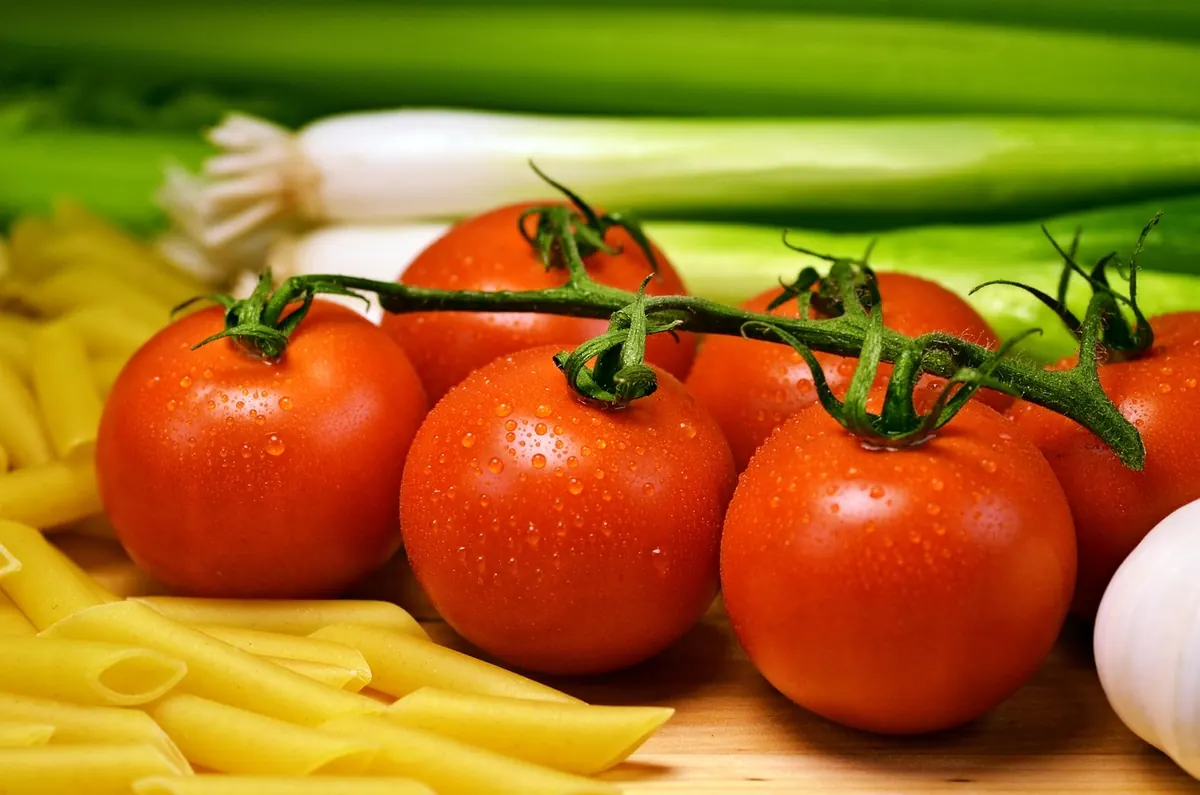
Put a large pan of salted water on to boil first. While it comes up, warm a generous glug of olive oil in a wide frying pan, add two or three sliced garlic cloves and a pinch of chilli flakes, and let them sizzle for thirty seconds. No colour. Burnt garlic will taste bitter for the rest of the meal.
Tip in a tin of chopped tomatoes and a drained tin of butter beans. Add a teaspoon of smoked paprika, a pinch of sugar if the tomatoes taste sharp, salt and pepper. Simmer for eight to ten minutes while the pasta cooks. The beans will start to break down and thicken the sauce on their own; add a splash of pasta water if it looks tight. Drain the pasta, toss it through with a handful of grated cheese, and finish with lemon zest or torn basil if you have some.
If you only have tuna
Swap the beans for a drained tin of tuna added in the last minute, so it warms through without going dry, and skip the cheese in favour of lemon and black pepper. Same method, same pan.
One-pan rice with peas and lemon
Rice in fifteen minutes is entirely doable. Heat oil in a lidded saucepan, soften a chopped onion for three minutes, then add a crushed garlic clove and 150g of basmati or long-grain rice. Stir for a minute until the grains look glossy.
- Add 300ml stock — twice the volume of the rice — and bring it to a hard boil.
- Clamp the lid on, turn the heat as low as it goes, and leave it for ten minutes without stirring.
- Scatter two handfuls of frozen peas on top for the final three minutes.
- Take it off the heat and rest for two minutes, then fork through lemon zest, black pepper and crumbled feta or grated cheese.
A spoonful of curry paste stirred in with the stock, or a drained tin of chickpeas added at the end, turns this into something different without any extra washing up.
Beans on toast, upgraded
This is the fastest dinner in the book and the one most worth doing properly. Soften a chopped onion in oil, add a sliced garlic clove, then a tin of chopped tomatoes, a teaspoon of smoked paprika and a splash of Worcestershire sauce. Add a drained tin of haricot or butter beans and simmer for eight minutes. Mash a few beans against the side of the pan to thicken the sauce.
Toast two thick slices of good bread, rub them with a cut garlic clove while they are still hot, and butter them. Spoon the beans over, grate cheese on top, and grill for a minute if you want it bubbling. A squeeze of lemon at the end lifts the whole thing.
Savoury oats with cheese and greens
Oats are not only for breakfast. Simmer 60g of porridge oats with 300ml of stock, or half stock and half milk, for four to five minutes, stirring now and then, until thick and creamy. Stir in a handful of frozen spinach, a handful of grated cheese and plenty of black pepper. Oats take salt and pepper far better than people expect, so taste before you serve.
Top with a fried egg, a spoonful of yoghurt, or flaked haddock or sardines from a tin. It sounds austere and tastes anything but — it is creamy, savoury and ready before the kettle has cooled.
Chickpea and spinach curry in one pan
Soften an onion, add garlic and grated ginger if you have it, then two teaspoons of curry powder or garam masala and stir for thirty seconds to wake the spices up. Add a drained tin of chickpeas, a tin of chopped tomatoes and a tin of coconut milk. Simmer for ten to twelve minutes, until the sauce coats the chickpeas rather than running off them, then stir through two big handfuls of spinach and a squeeze of lemon.
Serve with rice from the method above, a flatbread, or plain toast. It thickens as it stands, so leftovers make a good lunch the next day.
The finishing touches
Fifteen-minute cooking tastes flat when it is only fast. These small additions do most of the work:
- Acid at the end — lemon juice, a splash of vinegar — brightens anything built on tins
- Something salty and savoury: a teaspoon of mustard, a little Marmite in a stew, capers, anchovy
- Fresh crunch: sliced spring onion, cucumber, herbs, toasted seeds
- A finishing glug of good olive oil, added off the heat
Making it a habit
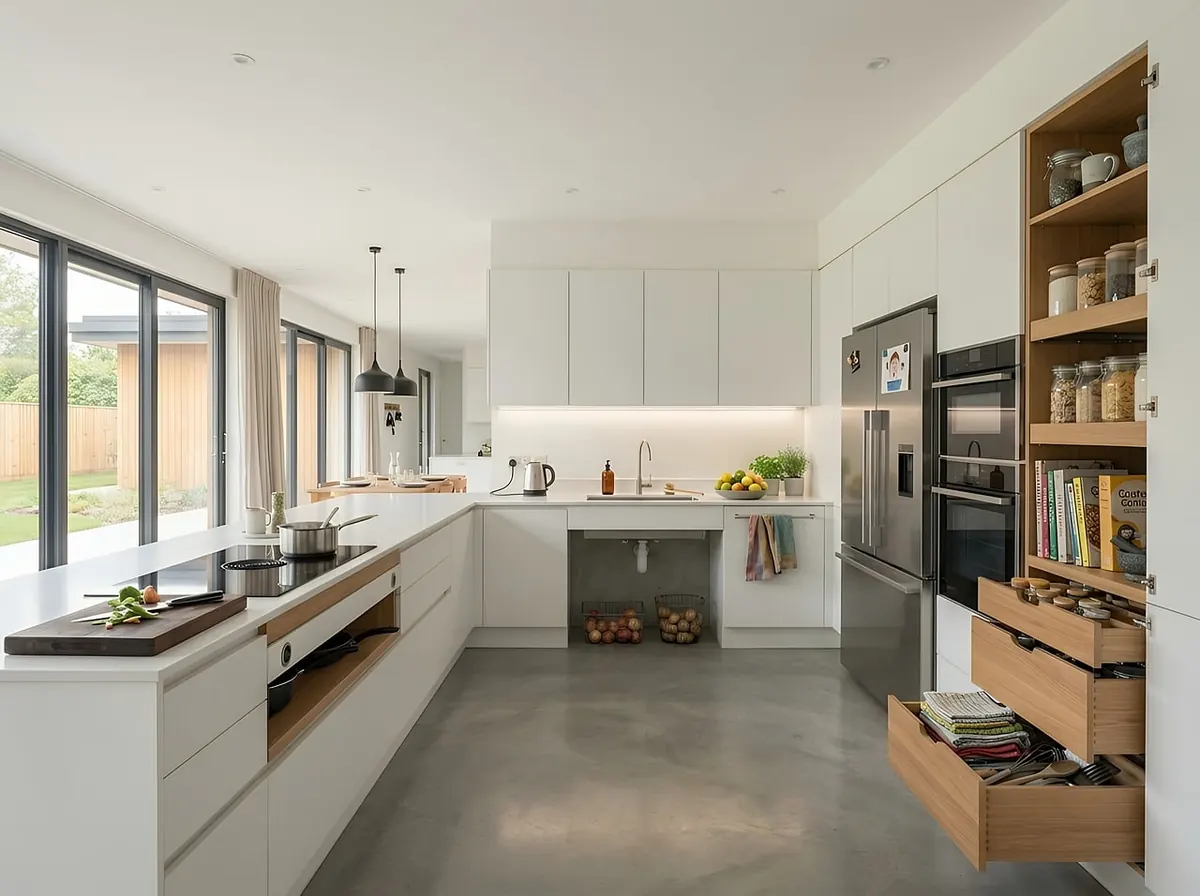
Keep the ten things you reach for most on one shelf at eye level, and put the rest wherever they fit. Decant pasta and rice into clear jars so you can see what is left before you start cooking. When you make the curry or the rice, double it: both reheat well and both make a better lunch than anything you will buy nearby.
Print nothing, memorise three of these, and let the rest be variations. If you cook one of them twice this week, you will stop thinking of your cupboard as a fallback and start treating it as a kitchen. And if you are managing a health condition that affects what you eat — salt intake, blood sugar, allergies — it is worth asking your GP or a registered dietitian for advice tailored to you rather than relying on general guidance.
Photo: diapicard / Pixabay